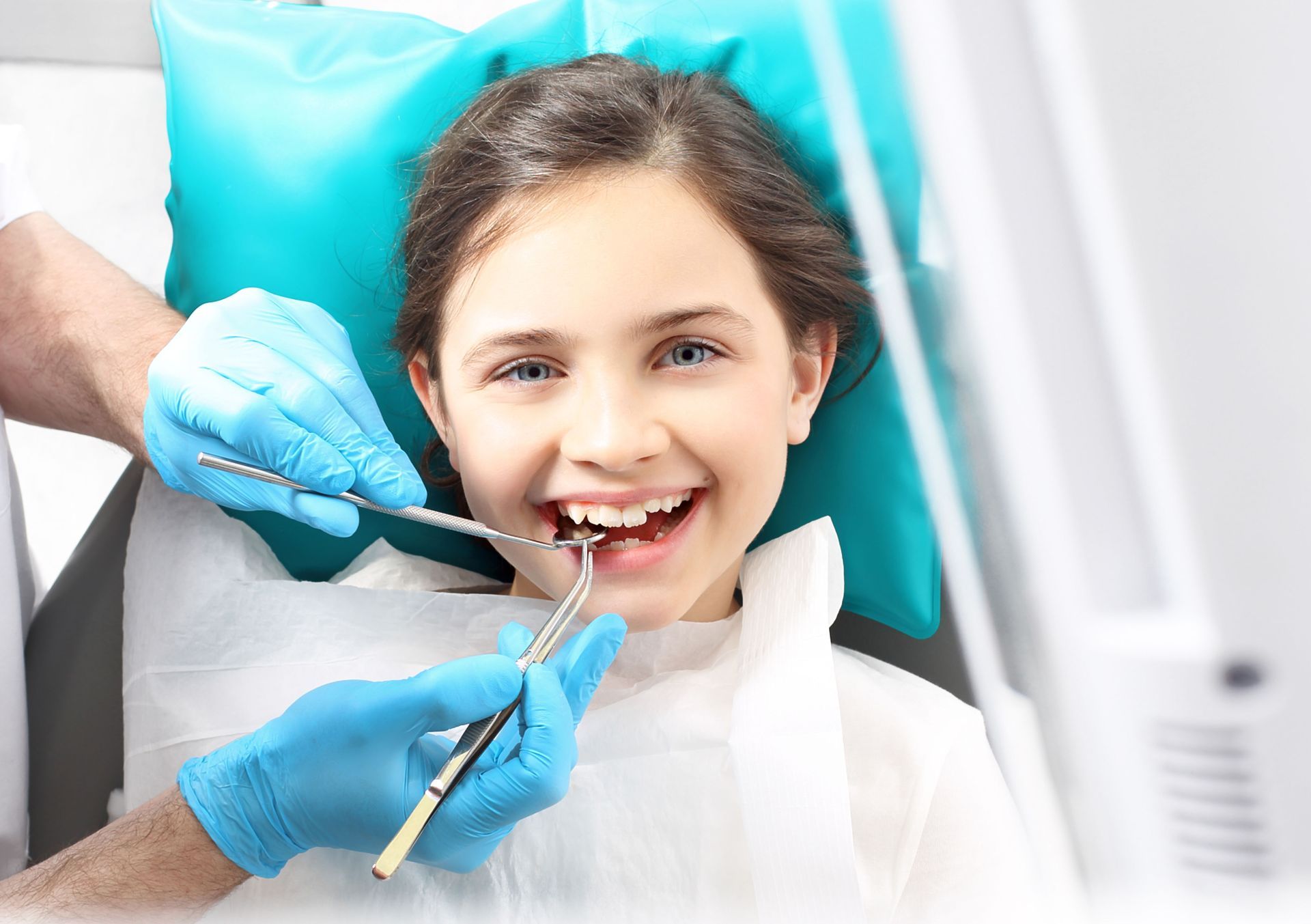
Stepping into a modern dental practice should represent an empowering investment in oral hygiene, systemic health, and self-confidence. Within human anatomy, oral wellness is intimately linked with cardiovascular integrity, nutritional processing, and emotional well-being. However, for a staggering proportion of the population, even the faint thought of scheduling a routine prophylaxis appointment triggers racing pulses, clammy palms, and overwhelming physiological dread. Whether rooted in traumatic childhood memories, fear of sharp instruments, vulnerability while reclining in clinical chairs, or sound sensitivity to dental handpieces, severe dental phobia causes individuals to avoid preventive care for decades. Postponing essential care allows minor enamel demineralization and mild gingivitis to escalate into excruciating tooth abscesses, bone resorption, and widespread structural decay. The extensive prevalence of emotional distress surrounding clinical oral care is confirmed by nationwide healthcare surveys; indeed, according to the American Dental Association, nearly 73% of adults report that they are afraid of going to the dentist. This widespread clinical reality illustrates why patients should never feel embarrassment or shame regarding their dental anxieties. Pharmacological relaxation technologies have revolutionized modern restorative dentistry, offering safe, compassionate avenues for reclaiming oral health without emotional trauma. Exploring how specialized relaxation modalities soothe overactive nervous systems, suppress hyperactive gag reflexes, and simplify multi-stage procedures empowers anxious patients to embrace necessary care. Prioritizing master clinical care preserves natural dentition, restores emotional calm, and guarantees peace of mind.
Experiencing Overwhelming Dental Anxiety and Persistent Treatment Avoidance
The primary clinical indicator that pharmacological relaxation is appropriate involves enduring debilitating psychological anxiety that prevents timely dental care. Many anxious patients experience sleep deprivation on the eve of appointments, suffer gastrointestinal upset upon entering reception suites, or break out into cold sweats when dental lighting illuminates overhead. This severe fight-or-flight response is an involuntary neurological reaction that makes cooperating with clinical staff feel nearly impossible. Sourcing certified sedation services interrupts this autonomic distress cycle, administering calming medications that gently quiet hyperactive neural pathways within the central nervous system. Under mild or moderate sedation, feelings of panic dissolve into deep detachment, allowing patients to remain comfortable and responsive to verbal cues without agitation. Furthermore, because calming pharmacological agents induce temporary anterograde amnesia, patients typically retain little to no memory of the procedure once the medication metabolizes. Alleviating emotional trauma allows fearful individuals to break cycles of dental avoidance, keeping routine checkups comfortable, unhurried, and completely stress-free.
Overcoming an Intractable Gag Reflex and Sensitive Pharyngeal Tissues
A deeply frustrating and uncontrollable physiological barrier that complicates dental treatment is a hyperactive pharyngeal gag reflex. For affected individuals, simply placing small diagnostic mirror heads, digital radiographic sensors, or impression materials against rear dental arches triggers violent, involuntary pharyngeal contractions, choking sensations, and intense panic. Patients often feel profound embarrassment regarding their inability to suppress these reflexive muscle spasms, leading them to cancel necessary crown restorations, root canal treatments, or rear molar cleanings. Incorporating professional sedation services desensitizes overactive pharyngeal nerve endings and relaxes spastic throat muscles, temporarily suppressing involuntary gagging responses. As pharmacological agents calm oral reflexes, clinicians work smoothly along posterior molars without causing patient distress or nausea. Patients rest peacefully with mouth props supporting jaw positioning, freed from struggling against choking sensations. Eliminating pharyngeal sensitivity protects delicate oral tissues, streamlines clinical efficiency, and allows clinicians to execute precise, code-compliant restorations without distressing physical interruptions.
Managing Severe Enamel Sensitivity and Low Local Anesthetic Thresholds
Another compelling indication for seeking pharmacological assistance involves enduring extreme dentinal hypersensitivity or struggling to achieve profound local dental numbness. Biological variations in nervous system anatomy mean that certain individuals possess accessory nerve branches that defy traditional local anesthetic injections, leaving them vulnerable to sharp twinges of pain during cavity preparation. Furthermore, severe pulpitis creates an acidic tissue environment around tooth roots that chemically neutralizes local anesthetic molecules, preventing adequate nerve blockage. Sourcing specialized sedation services addresses physiological pain sensitivity by dramatically elevating systemic pain thresholds throughout the central nervous system. While local anesthetics numb targeted tooth nerves directly, sedative medications alter brain perception, dampening neural pain processing and inducing tranquil muscle relaxation. Patients with hypersensitive gum tissues, exposed cervical root dentin, or resistance to local numbing agents can finally undergo restorative therapies in blissful comfort. Elevating sensory pain thresholds eliminates procedural discomfort, protects sensitive tooth pulps, and ensures painless clinical visits.
Undergoing Complex Multi-Stage Reconstructions Within Consolidated Appointments
Modern restorative dental procedures often require extensive chair time, particularly when patients need full-mouth rehabilitations, multiple surgical extractions, dental bone grafting, or several crown placements. Sitting completely motionless in a reclined chair with your mouth propped open for extended intervals induces severe jaw muscle fatigue, temporomandibular joint strain, and mental exhaustion. Engaging accredited sedation services transforms lengthy surgical marathons into comfortable, seemingly brief appointments by distorting time perception. Under moderate oral or intravenous sedation, lengthy procedural sessions feel like mere minutes to the reclining patient, enabling master dentists to complete multiple complex treatments during a single unified clinical appointment. Consolidating comprehensive therapies into unified appointments reduces work absences, minimizes repetitive recovery windows, and accelerates your journey toward complete oral restoration. Compressing extensive treatment plans into streamlined appointments saves valuable personal time, protects jaw joints from strain, and delivers efficient cosmetic and restorative transformations.
Alleviating Chronic Neck Strain and Involuntary Motor Tremors
Comfort in the dental operatory requires staying still in a fixed posture, which represents an agonizing challenge for patients living with chronic physical ailments. Individuals diagnosed with cervical spine arthritis, chronic lower back pain, Parkinsonian tremors, or generalized motor restlessness often experience severe physical discomfort when reclining in clinical chairs. Holding still while technicians perform precision drilling induces muscle cramping, involuntary spasms, and profound physical distress. Choosing compassionate sedation services provides profound musculoskeletal relaxation, easing physical tension across neck vertebrae, shoulder muscles, and lumbar regions. Sedative medications soothe motor pathways, significantly subduing involuntary muscle tremors and allowing patients to remain still without effort or physical strain. Clinicians can place supportive ergonomic pillows beneath neck arches while the patient rests in tranquil relaxation. Alleviating physical discomfort accommodates patients with chronic mobility challenges, shields musculoskeletal structures from fatigue, and ensures safe, uninterrupted clinical dentistry.
Embracing sedation dentistry represents a transformative, life-changing step toward reclaiming optimal oral health, physical vitality, and personal confidence. Avoiding the dentist due to acute anxiety, severe pharyngeal gagging, low pain thresholds, physical restlessness, or fear of complex surgery is a completely understandable human response, but it no longer needs to dictate your oral health. By incorporating modern pharmacological relaxation techniques, compassionate dental practices dismantle traditional barriers to clinical care, replacing fear with tranquil comfort and restorative security. Whether utilizing mild nitrous oxide, oral conscious sedation pills, or monitored intravenous twilight therapy, modern sedation protocols deliver customized relaxation tailored precisely to your unique emotional and physiological profile. Bypassing untreated dental decay in favor of master sedation dentistry ensures that dental issues are resolved before irreversible tooth loss occurs. Dedicated clinical stewardship protects natural dentition, rejuvenates whole-body wellness, and turns stressful appointments into peaceful, rejuvenating experiences. Prioritizing master dental care safeguards personal wellness, restores vibrant smiles, and guarantees lasting peace of mind across every passing season.
At Nurture Dental Health, our dedicated team brings deep clinical expertise, state-of-the-art physiological monitoring technology, and an unwavering commitment to craftsmanship on every patient wellness journey we guide, ensuring your smile achieves maximum functional health, unyielding restorative durability, and extraordinary aesthetic beauty across every comfortable visit. Contact us today or visit our local dental practice to schedule your comprehensive sedation consultation and discover the lasting benefits of working with trusted sedation dentistry professionals.