Hearing that you might need your back molars taken out can bring up all sorts of wild stories. Between movie tropes and exaggerated playground tales, rumors spread fast. Learning the actual clinical facts puts your mind at ease and helps you plan your oral health schedule with absolute confidence.
1. Believing Every Single Person Needs Extraction
One of the most widespread beliefs is that every teenager or young adult must automatically undergo extraction. Many folks assume that simply having these third sets of molars means trouble is right around the corner. However, human anatomy varies widely across populations, and plenty of jaws offer ample room for these molars to grow without nudging neighboring teeth. If your molars emerge fully, line up nicely, and bite down comfortably, they can safely stay put for years to come.
According to the American Dental Association, 17 to 21 years of age is the most common time for wisdom teeth to come in. During these late teenage years, regular dental checkups allow clinicians to capture detailed digital imaging of developing root structures. These routine pictures show whether molars have clear paths to emerge properly or if tight bone boundaries will block natural eruption. Monitoring these shifts during adolescence helps dentists track exactly how the rear teeth are forming beneath the gums. Clear anatomical scans provide a dependable roadmap so patients avoid unnecessary interventions.
Problems generally start only when tight dental arches trap molars beneath dense bone tissue or thick gum lines. When third molars stay partially hidden, tiny pockets trap food debris, creating hard-to-clean spots that harbor harmful bacteria. Regular evaluations reveal whether your molars are contributing to healthy chewing or posing real oral risks. Scheduling professional wisdom teeth removal happens because of actual clinical indications, never just because the teeth exist.
2. Expecting Severe Discomfort During the Procedure
Pop culture loves to depict dental visits as dramatic, uncomfortable experiences filled with loud sounds and intense discomfort. In modern clinical environments, this scary depiction could not be further from reality. Today's advanced local numbing medications, gentle oral sedatives, and deep sleep methods keep patients resting peacefully while the clinical team works smoothly. You will feel relaxed and supported from the moment you sit down until the appointment finishes.
Specialists tailor modern comfort options directly to each patient before any appointment begins. Mild sedatives help calm nervous thoughts, while targeted local numbing stops sensory nerves from transmitting any pain messages to your brain. You might notice light movement, mild vibrations, or gentle pressure during the visit, but sharp sensations are stopped in their tracks. Calming room amenities and patient monitoring allow the entire staff to maintain a soothing clinical environment throughout the visit. Modern sedation protocols create a serene atmosphere that makes visits feel brief.
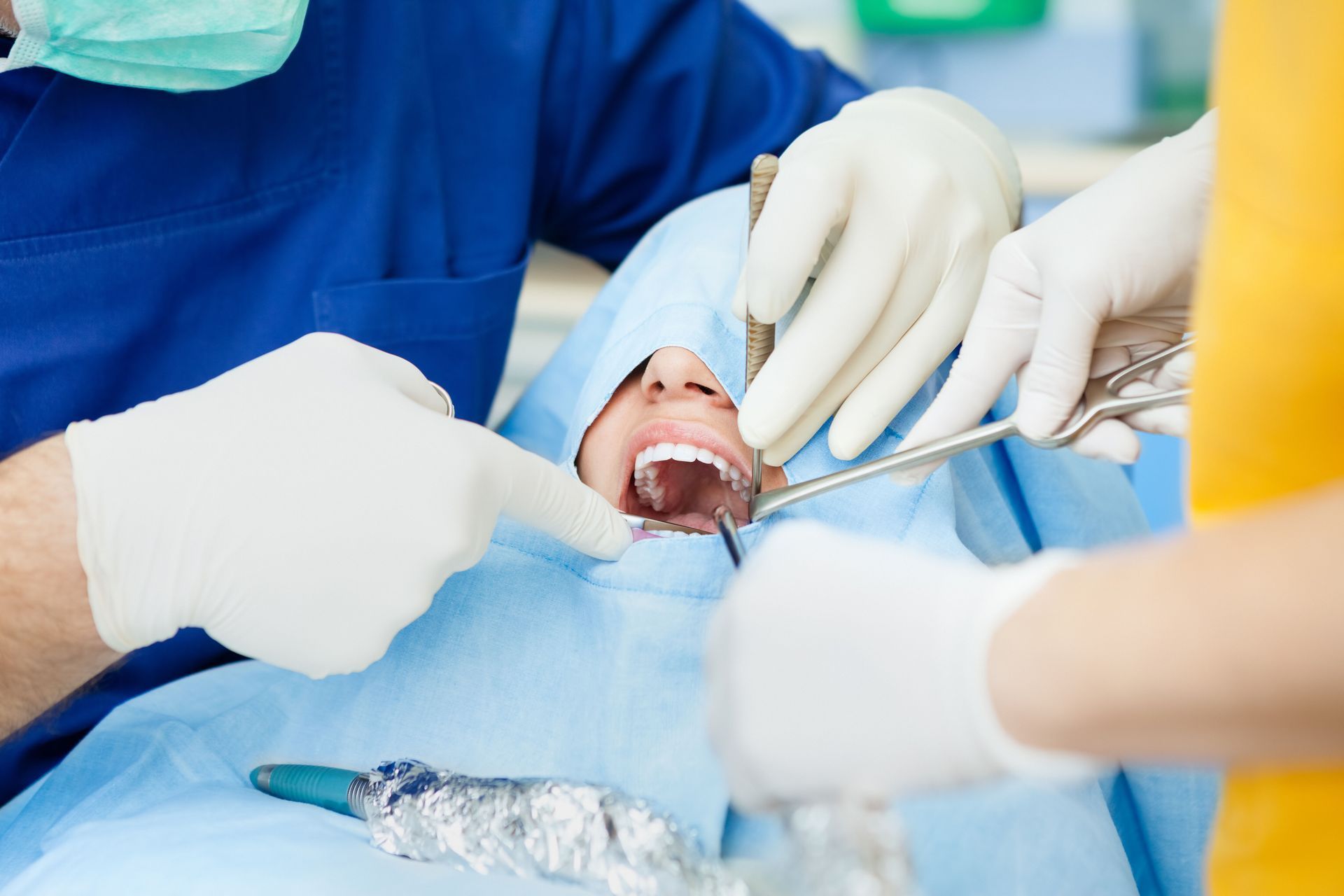
Advances in surgical instruments and digital imaging allow modern oral surgeons to work with incredible precision. Detailed scans map exact nerve locations and root angles, minimizing surgical time and preserving surrounding bone tissue. Going through modern wisdom teeth removal is often remarkably smooth, leaving patients pleasantly surprised by how simple, easy, and calm the entire process turns out to be.
3. Assuming Recovery Requires Weeks of Bed Rest
Many people mistakenly picture an entire month spent trapped on the sofa with giant ice packs tied around their heads. The reality of postoperative healing is far milder and noticeably quicker for the typical healthy patient. Most people only need two or three days of quiet downtime before feeling energized enough to return to light routines. Your body possesses amazing healing abilities that spring into action right after treatment wraps up.
The first forty-eight hours serve as the main resting window where your mouth establishes protective blood clots over the extraction zones. Following professional post-visit recommendations, such as keeping your head elevated on plush pillows and resting quietly, accelerates your natural recovery timeline. Gentle cold compresses placed against your outer cheeks control natural swelling and soothe facial muscles comfortably. Setting up a relaxing rest zone with soft blankets and good books makes these quiet recovery days pass quickly. Taking simple steps early keeps you comfortable while avoiding common post-treatment bumps.
By the third or fourth day, most patients transition back to classes, office tasks, and casual neighborhood walks with zero issues. Nourishing soft foods like warm broths, creamy yogurt, fruit smoothies, and fluffy mashed potatoes supply your body with ample energy without requiring heavy chewing. Attentive wisdom teeth removal care combined with a few days of relaxation helps you get back on your feet quickly.
4. Thinking You Must Wait for Painful Symptoms
Waiting until a severe toothache strikes before having your mouth evaluated is a risky strategy that often complicates treatment. Deep underlying dental issues often develop quietly behind the scenes without sending obvious warning bells to your jaw. Impacted molars can press silently against nearby second molar roots, causing invisible root damage long before you feel any soreness. Catching these structural shifts early avoids extensive corrective treatments later on.
Partially erupted back teeth can also foster chronic gum inflammation that quietly weakens the surrounding jawbone. Because these tight areas sit so far back in the mouth, standard bristles cannot reach them to sweep away sticky plaque layers. Over time, recurring bacterial buildup leads to localized periodontal pockets or fluid-filled cysts that damage adjacent bone. Early intervention preserves bone density around your healthy second molars before hidden decay can spread deep beneath the gums. Routine panoramic X-rays catch these asymptomatic complications early, protecting your long-term smile alignment.
Addressing structural concerns proactively also leads to a much easier recovery overall. Younger teeth feature shorter, softer roots surrounded by more flexible bone, making gentle extractions far more predictable. Postponing needed wisdom teeth removal until severe throbbing forces your hand can prolong your healing window. Routine dental evaluations keep you ahead of hidden oral challenges before uncomfortable symptoms emerge.
5. Fearing Irreversible Damage to Facial Symmetry
A lingering online rumor suggests that taking out back molars changes your cheekbones, shrinks your jawline, or alters facial symmetry. This persistent misconception comes from confusing functional jaw surgery with standard dental extractions. Third molars reside inside the inner dental arch, safely separate from the major exterior jaw bones that establish your facial structure. Your cheek contours depend on your skull architecture, cheek fat pads, and jaw muscles, not these rear teeth.
The thick bone structures that define your chin, jaw angles, and cheekbones remain completely unchanged throughout the extraction process. While you might notice temporary facial puffiness for a few days following your visit, that is simply normal healing inflammation. As tissue swelling naturally subsides over the first week, your cheeks return right back to their familiar, natural appearance. Normal blood flow and natural tissue healing quickly restore your standard cheek and jaw contours without altering your smile lines. Your outward appearance remains beautifully intact after completing treatment.
Choosing professional wisdom teeth removal actually helps preserve your natural smile by preventing painful crowding in the anterior dental arches. Relieving localized pressure prevents straight front teeth from shifting out of position, keeping your hard-earned smile looking neat and balanced. Modern clinical techniques safeguard your dental alignment without altering your facial aesthetics. You can move forward with treatment knowing your authentic look will stay vibrant.
Taking care of your mouth is an essential part of maintaining whole-body health and enjoying long-term daily comfort. Clearing up common myths allows you to make informed decisions without unnecessary worry or dread. Professional wisdom teeth removal protects your bright smile, keeps neighboring teeth healthy, and supports your overall wellness for years to come. Protect your smile with Nurture Dental Health and keep your mouth feeling great.