Understanding the signs and symptoms of problematic wisdom teeth is crucial for maintaining oral health. Wisdom teeth, also known as third molars, typically emerge in late adolescence or early adulthood. While some people experience no issues, for others, these teeth can lead to significant dental problems. The key to avoiding complications is being able to identify early indicators of trouble and taking timely action. In this article, we will explore the signs that suggest it might be time to consider wisdom teeth removal and guide you through the entire process. Wisdom teeth removal is often considered when symptoms begin to interfere with daily comfort or oral function.
Overview of Wisdom Teeth
Explain the Evolutionary Purpose of Wisdom Teeth
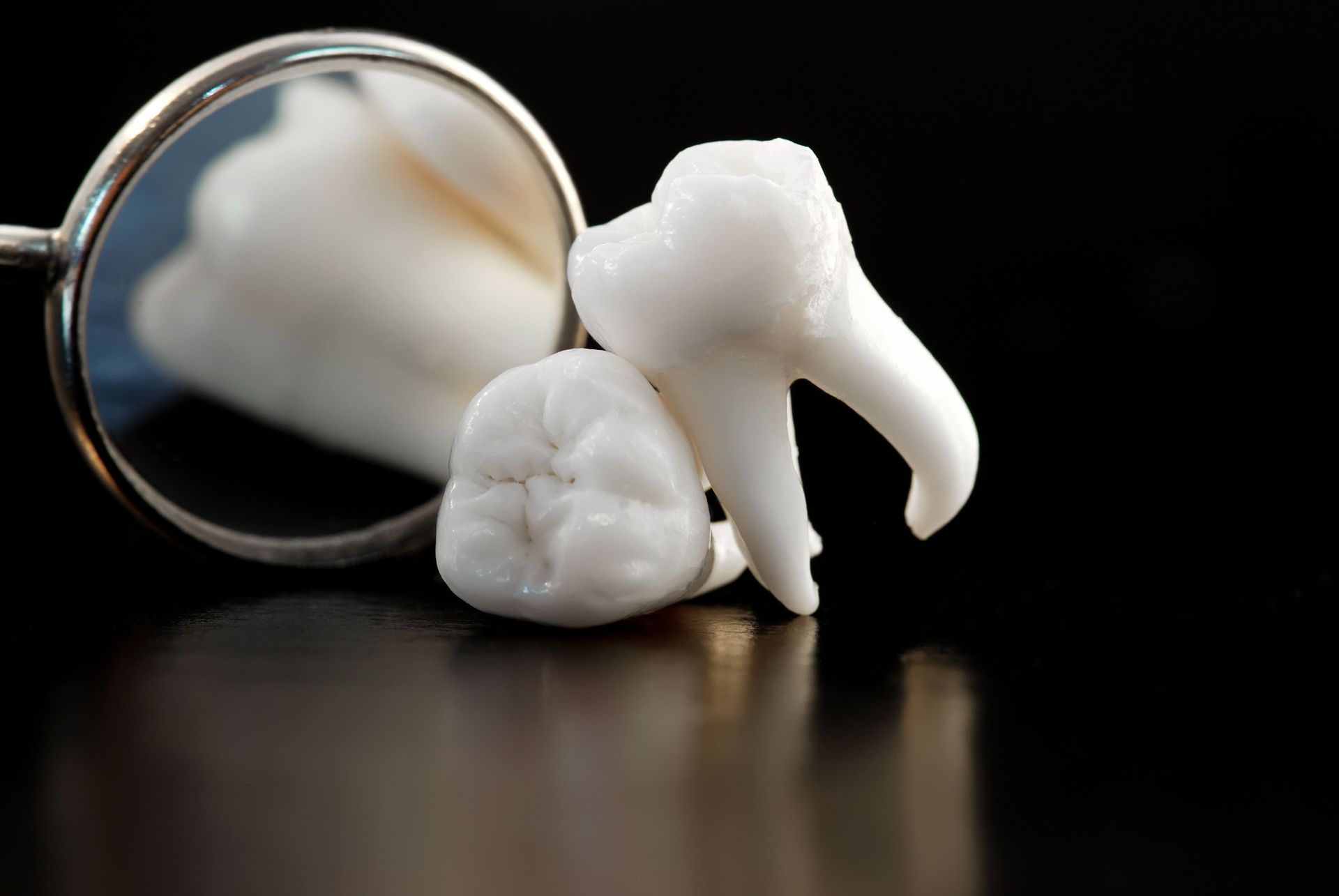
Wisdom teeth are remnants of our evolutionary past, when early humans needed larger jaws and stronger molars to process tougher diets. As human diets evolved, jaw sizes became smaller, but wisdom teeth continue to develop in many individuals. Because of this change, there is often limited space for these third molars to erupt properly. In many cases, this lack of space is what eventually leads to wisdom teeth removal being recommended.
Track the Development Stages of Wisdom Teeth
Wisdom teeth typically begin developing during adolescence and may emerge in the late teens or early twenties. Their development progresses through stages, including formation beneath the gum line and gradual movement toward eruption. During these stages, dental professionals often monitor whether wisdom teeth removal may be needed in the future.
The timing, position, and direction of eruption can vary significantly from person to person. Some individuals may never develop wisdom teeth, while others may develop one or several. Dental imaging is commonly used to monitor their progression and identify potential complications early, including whether wisdom teeth removal may be necessary.
Identify the Common Problems of Wisdom Teeth
Wisdom teeth can lead to several oral health issues when there is not enough space for them to erupt properly. One of the most common concerns is when the tooth becomes trapped beneath the gum line or grows at an angle. In many of these cases, wisdom teeth removal is the recommended solution.
Impacted wisdom teeth can cause pain, swelling, and infection due to pressure against surrounding teeth and gum tissue. They may also be more difficult to clean, increasing the risk of cavities and gum disease. These complications often lead dental professionals to consider wisdom teeth removal as part of treatment planning.
Evaluate the Necessity of Wisdom Teeth Removal
Not everyone requires wisdom teeth removal. If there is sufficient space in the jaw and the teeth erupt in a healthy, functional position, they may not need to be extracted. In these cases, ongoing monitoring is typically recommended instead of immediate wisdom teeth removal.
Even when wisdom teeth are not causing immediate problems, ongoing monitoring is important. Their location at the back of the mouth can make them harder to clean, so routine dental care helps ensure they remain healthy over time. This continued observation helps determine if wisdom teeth removal may become necessary later.
Compare Impacted and Non-Impacted Wisdom Teeth
Impacted wisdom teeth do not fully erupt into the mouth due to lack of space or improper alignment. They may remain partially or completely trapped beneath the gums and can sometimes press against surrounding teeth. In many cases, this condition leads to wisdom teeth removal being recommended.
These impacted teeth are more likely to cause discomfort, infection, and inflammation of surrounding tissue. Dental imaging is used to assess their position and determine whether wisdom teeth removal is necessary based on severity and risk.
Symptoms Linked to Wisdom Teeth Removal
Assess Persistent Pain and Swelling
Persistent pain in the back of the mouth is often one of the first signs of wisdom tooth complications. This discomfort may occur when there is insufficient space for eruption, causing pressure against nearby teeth or gum tissue. In many cases, this type of discomfort leads to consideration of wisdom teeth removal.
Swelling in the surrounding area can indicate irritation or infection. If left unaddressed, these symptoms may worsen and interfere with everyday functions such as chewing or speaking. When swelling persists, wisdom teeth removal may be evaluated as a treatment option.
Recognize the Development of Infections and Inflammation
Recurrent infections near wisdom teeth are a common reason for wisdom teeth removal. When a tooth partially erupts, bacteria and food particles can become trapped beneath the gum tissue, leading to inflammation. This environment often contributes to ongoing dental issues.
These infections may cause discomfort, difficulty chewing, and persistent irritation in the affected area. In more advanced cases, swelling and tenderness may become recurring issues. When infections continue, wisdom teeth removal is often recommended.
Assess the Impact on Adjacent Teeth and Bone
Wisdom teeth that do not have enough space to erupt properly can place pressure on surrounding teeth. This pressure may contribute to shifting, crowding, or damage to nearby tooth structures. In these cases, wisdom teeth removal is often evaluated to prevent further issues.
In some cases, impacted wisdom teeth can also affect the surrounding bone structure. Over time, this pressure may contribute to gradual changes in bone density or positioning. Monitoring these changes is important when assessing the need for wisdom teeth removal.
Monitor the Development of Misalignment Concerns
Wisdom teeth can contribute to crowding or shifting of surrounding teeth as they attempt to erupt. This movement may affect overall tooth positioning and comfort in the back of the mouth. In some situations, this may lead to wisdom teeth removal being considered.
Dental professionals monitor these changes during routine examinations to determine whether the wisdom teeth are affecting alignment or contributing to pressure in surrounding areas. These evaluations help guide treatment decisions.
Detect the Formation of Cysts Near Wisdom Teeth
In rare cases, cysts may develop around impacted wisdom teeth. These fluid-filled sacs can form slowly and may not cause symptoms in the early stages. However, they are often associated with situations where wisdom teeth removal becomes necessary.
If left untreated, cysts can affect the surrounding bone and nearby teeth. Because they are often discovered through imaging rather than symptoms, routine dental check-ups are essential. Early detection may lead to recommendations for wisdom teeth removal.
Diagnostic Process for Wisdom Teeth Removal
Conduct the Initial Oral Examination of Wisdom Teeth
The evaluation of wisdom teeth begins with a comprehensive oral examination. During this visit, a dental professional checks for signs of swelling, discomfort, or visible issues in the back of the mouth. These findings help determine whether wisdom teeth removal may be necessary.
According to the American Dental Association, about 100 million Americans skip dental visits annually. This highlights the importance of maintaining regular check-ups to monitor conditions that may eventually require wisdom teeth removal.
Use Dental X-Rays in Wisdom Teeth Removal
Dental X-rays play an important role in evaluating wisdom teeth that are not fully visible during a standard exam. These images allow dental professionals to see the position of the teeth beneath the gums and determine whether wisdom teeth removal is appropriate.
Imaging helps identify misalignment or signs of infection that may not yet be causing noticeable symptoms. In some cases, 3D imaging may be used for a more detailed view of surrounding structures before recommending wisdom teeth removal.
Wisdom teeth may develop without causing issues for some individuals, while for others they can contribute to pain, infection, or changes in surrounding teeth and bone. Routine dental exams and imaging play an important role in tracking their development and identifying concerns early. If symptoms arise or you want to better understand your options, you can learn more with Nurture Dental Health PC.